Introduction
In the world of sports, the excitement of competitors is commonly gone along with by an underlying danger-- heart attack. While professional athletes press their limits and inspire us with their accomplishments, the fact is that sudden heart events can take place at any moment. This write-up delves into Sports-Related Cardiac Arrest: The Importance of Immediate CPR, clarifying the crucial duty that Cardiopulmonary Resuscitation (MOUTH-TO-MOUTH RESUSCITATION) plays in saving lives throughout these emergencies.
From understanding the auto mechanics behind cardiac arrest to exploring advanced resuscitation skills, this extensive guide intends to furnish you with important expertise and sources. Whether you're an instructor, a moms and dad, or just a person that appreciates recreational sporting activities, knowing exactly how to respond can make all the difference.
Understanding Sports-Related Cardiac Arrest
What is Sports-Related Cardiac Arrest?
Sports-related heart attack describes an unexpected loss of heart function in individuals joining sports tasks. It can occur to anyone, regardless of age or health and fitness degree. When an athlete experiences heart attack on the field or court, immediate activity is essential for survival.
The System Behind Cardiac Arrest
Cardiac apprehension takes place when the heart's electrical system intensive childcare first aid training malfunctions, bring about an inadequate heartbeat. This interruption protects against blood from moving to important organs, consisting of the mind. Typical causes include hereditary heart issues, hypertrophic cardiomyopathy, and arrhythmias.
Statistics on Heart attack in Sports
Recent studies highlight a startling price of cardiac arrests among professional athletes:

- Approximately 1 in 50,000 athletes experiences a heart event. Survival prices differ substantially based upon immediate reaction times.
The Role of mouth-to-mouth resuscitation in Conserving Lives
What is CPR?
Cardiopulmonary Resuscitation (MOUTH-TO-MOUTH hltaid009 cpr course RESUSCITATION) is a lifesaving technique targeted at by hand maintaining mind function till more steps are taken. Carrying out mouth-to-mouth resuscitation can double or three-way possibilities of survival after heart arrest.
Why Immediate Activity Matters
When it involves cardiac arrest, every 2nd matters. After just four minutes without oxygen-rich blood circulation, irreversible brain damage can take place. This makes instant mouth-to-mouth resuscitation vital for sustaining life up until expert assistance arrives.
CPR Saving Lives: Real-Life Examples
Numerous instances exist where prompt CPR administration has actually conserved lives:
- In 2021, a secondary school basketball gamer collapsed during practice however made it through many thanks to quick-thinking colleagues who did CPR.
How to Carry out CPR Effectively
Basic Steps for Grownup CPR
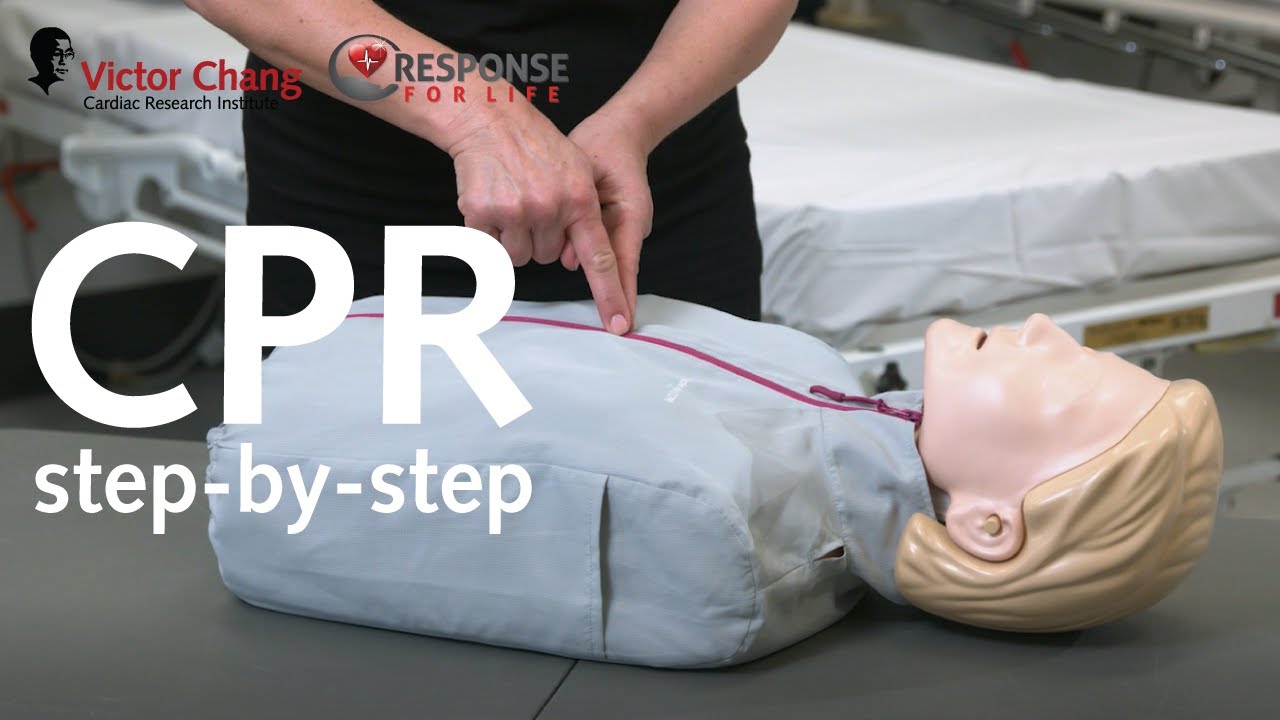
Check responsiveness; if less competent, require emergency situation assistance. Begin upper body compressions at a depth of about 2 inches and at a rate of 100-120 compressions per minute. If trained, supply rescue breaths in a ratio of 30 compressions to 2 breaths.Incorrect Compression Depth: A Typical Mistake
One major error throughout CPR is falling short to use enough compression depth. Research study shows that compressions need to be deep sufficient to successfully pump blood but not so deep as to trigger injury.
Infant and Kid CPR Techniques
Different age need details techniques:
- For infants: Utilize 2 fingers and compress concerning 1.5 inches deep. For children: Utilize one hand for compressions with comparable depth guidelines as adults.
Advanced Resuscitation Skills
AED: Just how to Utilize It Effectively
An Automated External Defibrillator (AED) can recover regular heart rhythm throughout a heart event:
Turn on the AED and adhere to voice prompts. Apply pads as indicated on the device. Allow AED to assess heart rhythm before continuing mouth-to-mouth resuscitation if advised.CPR and First Aid Combination Training
Combining CPR training with first aid boosts readiness for emergency situations:
- Local courses frequently supply extensive programs covering both areas.
Household Preparedness for Emergencies
Creating Office Emergency situation Plans
Organizations need to have clear methods for reacting to clinical emergencies like heart attack:
- Designate team member trained in CPR and initial aid.
Household Preparedness Measures
Consider having an AED available in the house if somebody has actually known heart concerns or if you have energetic young athletes associated with sports.
Local Resources for Discovering CPR
Finding Regional mouth-to-mouth resuscitation Courses Near You
Many recreation center and hospitals supply neighborhood mouth-to-mouth resuscitation certification training courses:
- Check online platforms for timetables and availability.
Online CPR Qualification Options
With hectic timetables ending up being typical, online accreditation training courses supply versatility without giving up top quality education.
Frequently Asked Concerns (FAQs)
What are the indications of putting at risk heart arrest?
Signs might consist of sudden collapse, absence of action, uncommon breathing patterns such as gasping or no breathing at all.
Do I require special equipment for performing CPR?
While basic mouth-to-mouth resuscitation doesn't require unique tools besides your hands or mouth-to-mouth breaths if educated, having accessibility to an AED can significantly enhance survival chances.
How often needs to I renew my mouth-to-mouth resuscitation certification?
Typically every two years; nevertheless, check local demands as they may differ by area or organization type.
Can I use an AED on children?
Yes! Most AEDs come furnished with child pads appropriate for usage on more youthful clients; always adhere to gadget instructions.
What's the success rate of bystander-administered CPR?
Studies recommend that prompt bystander-administered mouth-to-mouth resuscitation can increase survival rates dramatically-- commonly increasing them when offered within minutes.
li20/ol3/hr8hr8/##
Conclusion
As we've discovered throughout this short article titled "Sports-Related Cardiac Arrest: The Significance of Immediate CPR," recognizing exactly how to successfully react during these emergency situations can not be overstated-- it saves lives! From finding out proper techniques like wrong compression depth management and using AEDs properly, each piece contributes toward developing understanding and preparedness within areas associated with sporting activities activities.
By equipping ourselves with knowledge via neighborhood classes or online certifications focused on sophisticated resuscitation skills-- every private ends up being encouraged against potential misfortunes that might otherwise arise from hold-ups in action complying with unexpected heart cases during sports events!
Always remember-- the rule remains true: "mouth-to-mouth resuscitation constantly reboots hearts," since when secs matter most-- your expertise might be what turns despair right into hope!